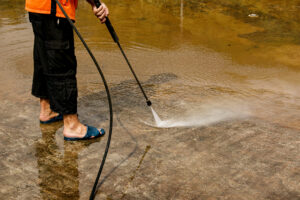
It is a daunting task to get rid of stubborn patio stains, including algae, lichen and black spot, without using any harmful chemicals, especially for the environment and even for pets. The best thing is not even needing a jet wash.
There are loads of different chemical-based cleaning products that can be used to clean a patio. Although these are really good at cleaning, they can be quite bad for the environment, wildlife, and pets.
In most cases, pets need to be kept away until the area is dry, or in some worst cases, for up to two days. An eco-friendly alternative is to clean the patio using products found under the kitchen sink.
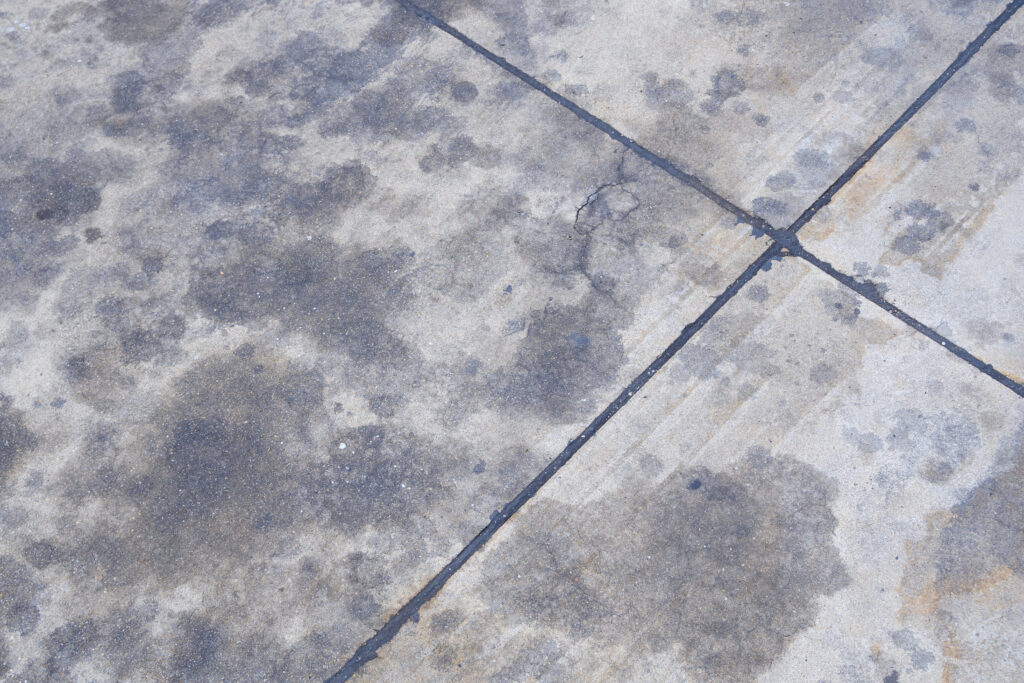
Patio Stain Removal in NJ
Mechanical Preparation and Eco-Friendly Method
The first stage of the patio cleaning method is to remove any weeds from the area. Use a simple trowel to scrape them out, as this is not damaging to plants and will not kill any weeds.
Once that is done, get a stiff brush and give the patio a good sweep to get rid of any loose debris. Having removed the surface dirt, the next stage is to wet the patio. Use a hose because it is quick and convenient.
Next, apply some sodium carbonate. Soda crystals, which are sodium carbonate, are readily available under the kitchen sink. Give the patio a light sprinkle with these soda crystals, making sure to cover all the area. Then apply a little bit of washing up liquid or dish soap onto the area.
Now on to the hardest part of the task: scrub the area with a nice stiff brush. Start from one end and work around. If there are any particularly bad areas, like underneath a rose bush, give that a real good scrub. Leave that to work its magic.
After 48 hours, rinse this patio off again with the hose, and once it is dry, look to see the difference between what was cleaned and what was not.
Heavy Duty Treatment Options
For severe cases, alternative solutions exist. One application of a specialized cleaning product demonstrates a remarkably effective result on Indian stone compared to using a pressure washer.
Sodium Hypochlorite Treatment
Another approach involves using sodium hypochlorite to learn how to get rid of stubborn patio stains, including algae, lichen and black spots. Sodium hypochlorite is basically household bleach, but at 15% strength, which is 5 to 7 times stronger than normal bottle bleach.
Mixing and Application
When attempting to get rid of stubborn patio stains, including algae, lichen and black spots:
- Please make sure that you do not wear any decent clothes because it will absolutely ruin them.
- Mix 5 liters of 15% sodium hypochlorite with water up to about 9 liters to create just less than a 50% solution inside a backpack sprayer.
- Spray every stone, wetting a little more on the areas with a lot of lichen and black spots.
- The solution acts almost instantly, bubbling as it oxidizes the organic matter there.
Using a backpack sprayer is much more convenient than putting it on with a brush. 9 liters of solution, which is 5 liters of sodium hypochlorite, covers from the patio edge to where the gate goes across all the brick wall on the far side.
If there is still a little bit of black spot left in areas, run around and just go over any bits of black spot that are left.
Rinsing the Surface
Once the application is complete and virtually all dry, rinse everything off with a water jet. The plan is to just rinse it off so that it can dry and pets can be let back on the patio.
Cleaning Reclaimed Sandstone Slabs
Sandstone slabs in a yard can be cleaned up to look like new again. Cleaning stubborn patio stains, including algae, lichen and black spots, starts with pressure washing the slabs. Pressure washing actually makes them look a little bit worse because it highlights the black spots and the lichen. It is an important step though, because the more dirt removed from your slabs, the better the chemical treatment will work.
Concentrated Bleach Application
Next up is the chemical treatment. Use sodium hypochlorite, which is a concentrated version of household bleach.
- Make sure you’re using PPE as it’s pretty powerful. Wear a face mask, eye protection, and gloves.
- Add dish soap to the mix as a surfactant. This helps reduce the surface tension of the bleach, allowing it to cover a larger area without it pooling.
- Apply using a watering can, a pump sprayer, or just a bucket and a brush.
- You can dilute this with water, but when learning how to get rid of stubborn patio stains, including algae, lichen and black spot, use it neat when the black spots and lichen are bad.